Summary
Maintaining purpose in memory care helps your parent continue feeling valued, connected, and known as dementia progresses. The right memory care community creates meaningful opportunities for engagement, contribution, and connection based on your parent's unique abilities and life story.
- Start with personalized programming rooted in your parent's history, interests, and routines rather than focusing on the diagnosis alone
- Offer meaningful ways for residents to contribute through everyday activities like helping with meals, gardening, or welcoming neighbors
- Provide structured routines with flexibility, allowing residents to choose how they participate while maintaining familiar patterns
- Support purpose through hands-on, choice-driven experiences including art, music, movement, and sensory activities adapted to current abilities
- Foster relationships and connection through family collaboration, shared meals, visits, and traditions that affirm your parent's identity and roles
Maintaining purpose in memory care can help your parent continue feeling known, valued and connected as dementia changes daily life. The right environment creates opportunities to make choices, contribute, build relationships and engage with familiar interests.
At Rittenhouse Village Pittsford, the nationally recognized SHINE® Memory Care program combines science-backed programming with personalized support that honors each resident’s abilities, life story and preferences.
1. Begin With the Person, Not the Diagnosis
Purpose starts with understanding who your parent has always been. Personalized memory care programming considers personal history, routines, interests and traditions when shaping the day.
A former teacher may enjoy reading aloud or helping organize books. Someone who loved gardening may feel engaged while tending plants or spending time in our community’s outdoor garden and courtyard. These familiar experiences support identity preservation in memory care by reconnecting residents with roles and interests that have long mattered.
Resident Customization is one of the six foundational pillars of SHINE® Memory Care. It guides team members in creating connections based on each resident’s history, passions, and needs.
2. Make Everyday Contributions Meaningful
Purpose-driven memory care programs give residents ways to participate rather than simply observe. The goal is to create a sense of contribution and belonging.
Depending on a resident’s interests and comfort, meaningful roles may include:
- Helping prepare a table before a meal.
- Watering plants or sorting gardening supplies.
- Welcoming neighbors to a small-group program.
- Sharing a favorite song, recipe, story or family tradition.
These meaningful programs for dementia residents recognize that each person still brings strengths, knowledge, and personality to the community.
3. Create Structure Without Making Every Day the Same
Familiar routines can make the day easier to understand. Regular mealtimes, planned programs, and calm transitions provide structure, while flexibility allows residents to choose how they participate.
SHINE® Memory Care values group engagement, one-on-one connection, and quiet time. Its Environmental Support pillar uses thoughtfully defined spaces and sensory elements to promote familiarity and meaningful engagement.
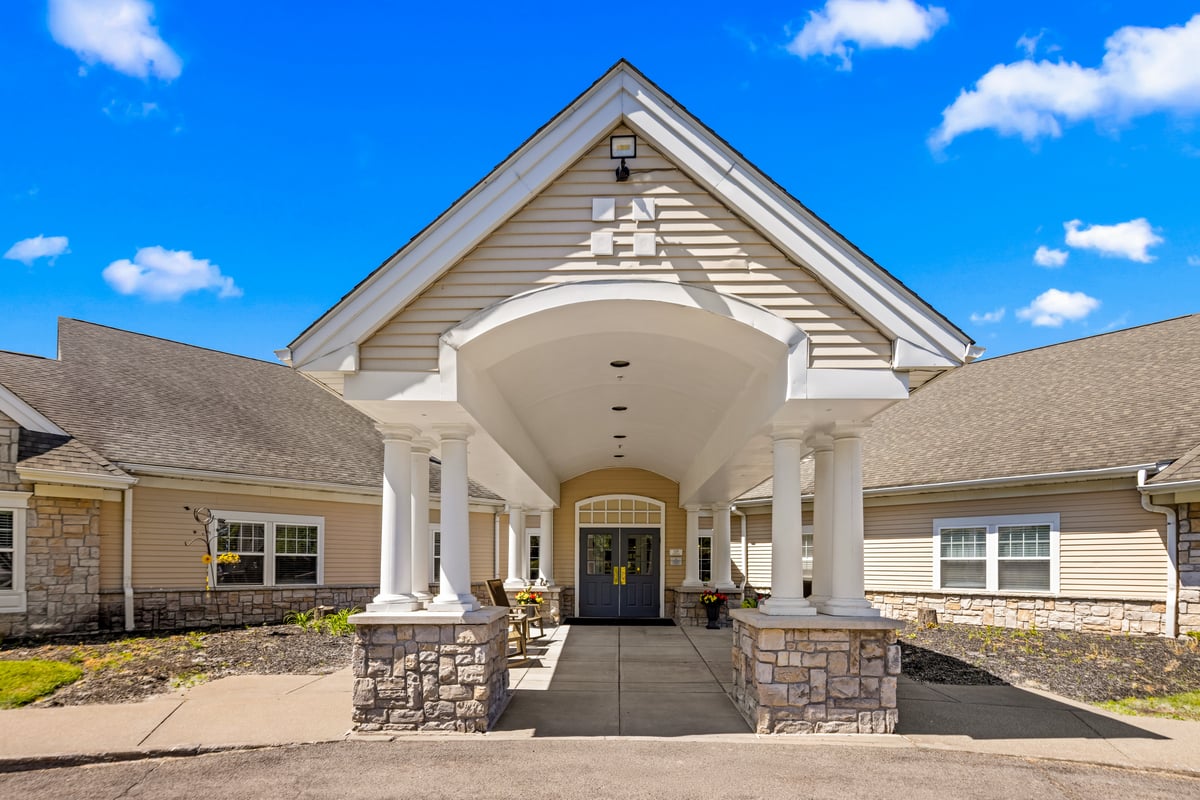
At Rittenhouse Village Pittsford, our small, neighborhood-style environment, safety-enhanced coded entryway, and comfortable shared spaces help residents become familiar with their surroundings and the people around them.
4. Use Hands-On Engagement to Support Purpose
The Life Engagement pillar of SHINE® Memory Care includes hands-on, choice-driven experiences inspired by Montessori-based principles. These programs are designed to promote dignity, connection, and purpose at different cognitive levels.
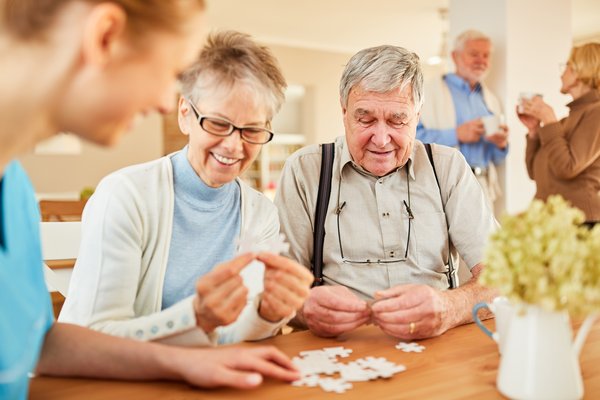
A resident might sort familiar objects, work on an art project, listen to music, or participate in a sensory experience. The focus remains on what the person can enjoy and accomplish now. This approach makes life enrichment in dementia care more personal and less dependent on recalling facts or following complex instructions.
5. Build Relationships That Affirm Identity
Relationships remind residents that they remain parents, spouses, friends, neighbors, and valued community members. Shared meals, music, conversations and small-group events create natural opportunities to connect.
The Family Collaboration pillar encourages communication between loved ones and the memory care team, so support can reflect changing needs, meaningful traditions, and personal preferences. Photographs, familiar stories and regular visits can strengthen continuity between past and present.
6. Encourage Movement and Creative Expression
Movement, art, and music can provide accomplishment, enjoyment, and another way to communicate. Programs can be adapted to a resident’s mobility, attention, and comfort level so participation feels encouraging.
Examples may include:
- Gentle stretching, seated movement, or supervised walks.
- Music-based movement and rhythm programs.
- Painting, crafts, or tactile art projects.
- Pet therapy, music therapy, or daily exercise opportunities.
These experiences can support connection and self-expression while respecting each resident’s pace. The outdoor garden, courtyard, and wellness offerings create additional opportunities for purposeful engagement.
The Team Training pillar also prepares SHINE® Memory Care team members to provide person-centered support with dignity and understanding.
7. Make Dining Part of a Purposeful Day
Meals can preserve familiar routines, traditions, and social roles. The Dining Experience pillar of SHINE® Memory Care emphasizes chef-prepared choices, dignified prompting, and tools that support different preferences and abilities.
Simple decisions, such as choosing between menu options or joining neighbors at the table, also support personalized memory care programming and help residents remain involved in community life.
Helping Your Parent Continue to Feel Known
Purpose does not disappear with memory loss. Through individualized routines, meaningful roles, and the six pillars of SHINE® Memory Care, Rittenhouse Village Pittsford helps residents experience connection, dignity, and moments of accomplishment.
Schedule a personalized tour of Rittenhouse Village Pittsford to learn how SHINE® Memory Care can support your loved one’s identity, preferences, and sense of purpose.