Summary
Understanding memory care safety features explained helps families find communities where their loved ones living with dementia feel both secure and respected. The best safety measures combine physical design, trained team members, technology, and meaningful daily programs to support comfort without restriction.
- Secured memory care neighborhoods use controlled entry points, visitor protocols, and clear layouts to reduce wandering risk while allowing residents to move naturally through their day
- Team member training is the most critical safety feature—staff should recognize signs of distress, redirect calmly, support familiar routines, and communicate openly with families
- Modern safety technology like sensors and alert systems should support staff attention, not replace it, helping team members respond quickly when residents may need support
- Thoughtful environmental design—wide walkways, good lighting, clear wayfinding—reduces confusion and helps residents feel calm and settled in their surroundings
- Meaningful daily programs, structured routines, and family communication protocols balance security with dignity, creating a welcoming space rather than a restrictive one
Choosing a memory care community for someone living with dementia often starts with one question: Will they be safe here?
The best memory care safety measures do more than prevent emergencies. They help residents move through the day with comfort, dignity, and the right level of support. For families exploring options in Pittsford, knowing which safety features matter most can make each tour more useful and less overwhelming.
Understanding Secured Memory Care Neighborhoods
Secured memory care neighborhoods are meant to reduce risk without making residents feel restricted. Doors, entry points, and visitor protocols all play a role in what makes memory care secure, but they should work quietly in the background.
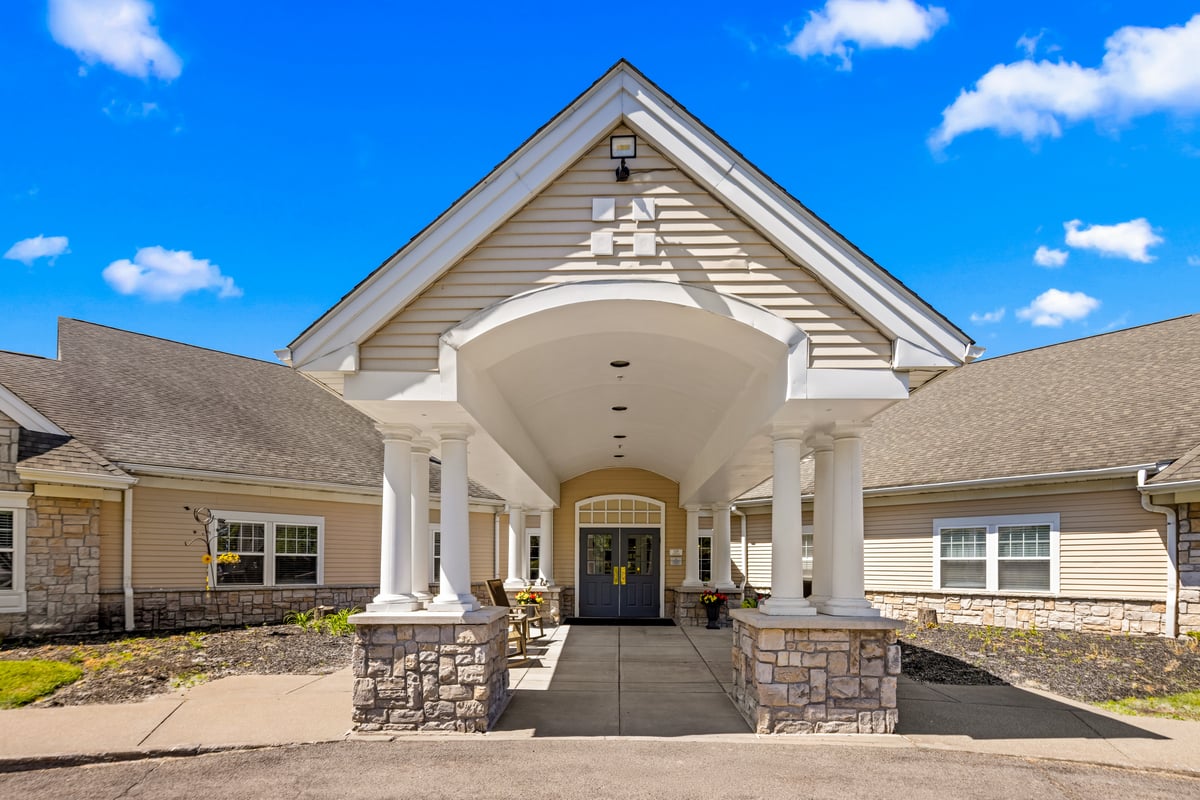
At Rittenhouse Village Pittsford, the community is dedicated to SHINE® Memory Care, a personalized program for individuals living with Alzheimer’s, dementia, and other cognitive changes. Our community’s secure surroundings, familiar routines, and trained team members help create a setting where residents can feel supported throughout the day.
Safety Without Feeling Closed In
Strong dementia wandering prevention often includes several layers of support, such as:
- Controlled entry and exit points
- Clear visitor check-in procedures
- Secure outdoor or common areas
- Easy-to-follow layouts and visual cues
- Team members who understand each resident’s routines
These features matter because wandering isn't always random. A resident may be looking for a familiar place, responding to stress, or trying to follow an old routine. A good memory care setting helps reduce those triggers while keeping movement as natural as possible.
Memory Care Safety Technology Explained
Modern memory care safety technology should support team members, not replace personal attention. Sensors, alert systems, and monitoring tools can help team members respond quickly when a resident may need support.
Useful technology may include apartment alerts, emergency response systems, controlled access points, and systems that help team members identify changes in routine. The goal isn't to watch residents constantly. The goal is to notice when something seems different, so support can happen sooner.
Why Team Member Training Matters
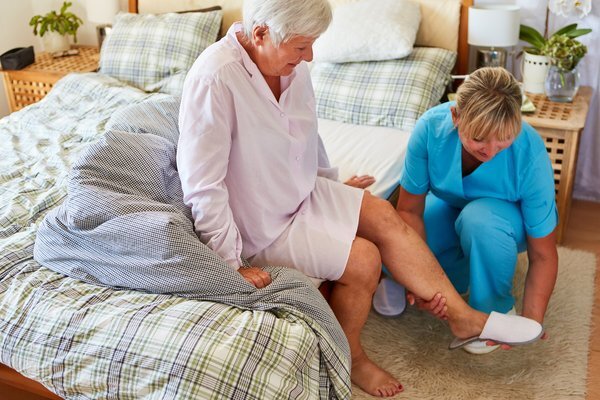
The most important safety feature is still the people providing support. Even the best-designed community depends on trained team members who understand dementia and know how to respond with patience.
In memory care, team members should know how to:
- Recognize signs of distress or confusion
- Redirect a resident without confrontation
- Support daily routines that feel familiar
- Communicate with families about changes or concerns
- Respond calmly if a resident becomes restless or wants to leave
This is a key part of memory care safety features explained during a tour. Families should listen to what systems are in place and to how team members describe their approach to residents living with dementia.
Environmental Design That Supports Safer Days
Thoughtful design can reduce confusion before it starts. Wide walking areas, good lighting, comfortable common spaces, and clear wayfinding can all help residents feel more settled.
For many families, this is where safety and quality of life come together. A secure memory care neighborhood should not feel cold or clinical. It should feel calm, familiar, and easy to move through.
Daily Programs That Help Reduce Restlessness
Security isn't only about doors and alerts. Meaningful daily programs can also support safety by helping residents stay engaged.
When residents have a rhythm to the day, they may feel less anxious or unsettled. Programs such as music, art, movement, sensory experiences, and reminiscence-based engagement can help create purpose and familiarity.
Rittenhouse Village Pittsford offers senior living programs such as Sensations dining, Celebrations events, Dimensions wellness programming, Impressions housekeeping and maintenance, Connections transportation, and Expressions concierge services. These offerings help support a more structured, comfortable daily experience.
Family Communication and Access Protocols
Families should feel welcome and informed, even in a secure setting. Clear access protocols help protect residents while still allowing family connection.
During a tour, ask how visits work, who can enter the neighborhood, and how the community communicates after an incident or concern. Good communication helps families understand what happened, what was done, and whether any changes are being made to support the resident going forward.
Questions to Ask About Memory Care Safety Measures
When touring memory care communities in Pittsford, pay attention to how safety feels. Do residents seem comfortable? Are team members nearby and engaged? Does the layout feel calm and easy to follow?
Helpful questions include:
- How do you support dementia wandering prevention?
- What memory care safety technology is used?
- How are team members trained to respond to exit-seeking behavior?
- How do you communicate with families after safety concerns?
- What happens during overnight hours?
- How are secured outdoor spaces used?
- What backup plans are in place during emergencies or power outages?
These questions can help you compare communities more clearly and understand which safety features are meaningful in everyday life.
FAQ: Memory Care Safety in Pittsford
What Makes Memory Care Secure?
Memory care is secure when the environment, team training, daily routines, and safety technology work together. Controlled access points are important, but so are thoughtful layouts, trained team members, and programs that help residents feel calm and engaged.
Why Is Wandering Prevention Important?
Dementia wandering prevention helps reduce the risk of a resident leaving a safe area without support. It also helps team members understand why wandering may be happening, so they can respond with comfort, redirection, or a more familiar routine.
Should Memory Care Feel Locked Down?
No. A strong memory care setting should feel safe, welcoming, and respectful. Security should protect residents while still allowing them to move, participate in programs, and enjoy familiar daily routines.
Finding the Right Balance of Safety and Dignity
The best memory care safety measures are not always the most obvious ones. Secure doors matter, but so do trained team members, familiar routines, thoughtful design, and clear family communication.
For families in Pittsford, understanding memory care safety features explained in simple terms can make the search feel more manageable. The right community should help your loved one feel supported, respected, and as comfortable as possible each day.
Schedule a tour at Rittenhouse Village Pittsford to learn how our SHINE® Memory Care community supports safety, comfort, and personalized daily engagement.