
Summary
Learning what to expect during a memory care assessment can help your family feel more confident and prepared for the visit. This conversation focuses on understanding your loved one's daily routines, needs, and personality—not on testing or pressure.
- The assessment begins with a warm welcome and relaxed conversation about changes at home, current support needs, and concerns that prompted the visit
- Bring helpful documents including medication lists, recent medical notes, physician contact information, and notes about daily routines and preferences
- The team asks practical questions about eating habits, sleep routines, personal care needs, mobility, hobbies, and communication style to shape personalized support
- Plan the visit during a time when your loved one typically feels calm and alert, and keep your explanation simple and reassuring
- By the end, your family should understand next steps, recommended support levels, timing, and what daily life may look like in the community
Scheduling a memory care assessment can feel like a big step, especially when your family is still trying to understand what kind of support your loved one needs. The visit isn't meant to test or pressure anyone. It's a conversation about daily routines, changes you have noticed, safety, comfort, and what would help your loved one feel more understood.
Knowing what to expect from a memory care assessment can make the visit feel less overwhelming and help your family ask better questions from the start.
Understanding the Memory Care Evaluation Process
The memory care evaluation process often begins with a warm welcome and a relaxed conversation. A team member may talk with your family about what has changed at home, what support is currently needed, and what concerns led you to schedule the visit.
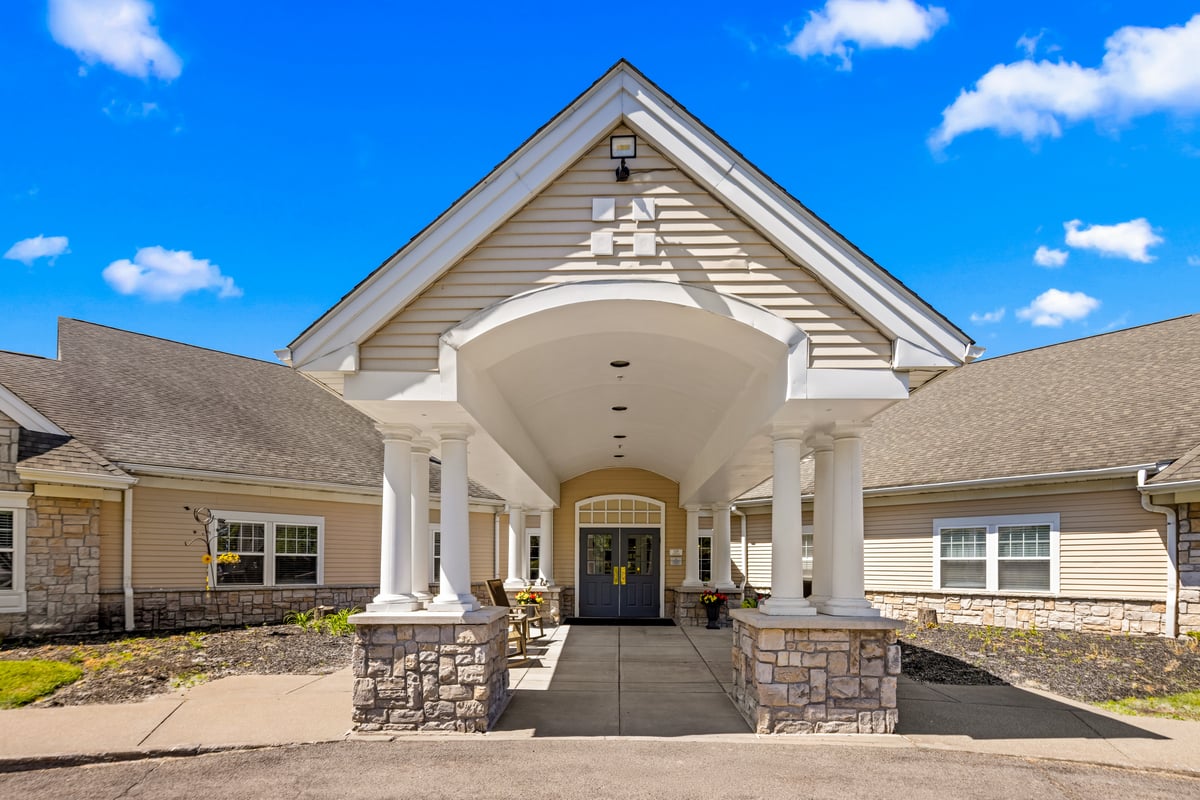
You may also tour the community and see the spaces where residents spend time each day. At Rittenhouse Village Pittsford, families can learn more about SHINE® Memory Care, a nationally recognized program for residents living with Alzheimer’s, dementia, and other memory-related changes.
During the visit, the team may gently observe how your loved one communicates, moves through the environment, responds to conversation, and manages simple daily tasks. This should feel respectful and conversational, not like a test. The purpose is to understand current abilities and identify the right level of support.
How to Prepare for a Memory Care Visit
Knowing how to prepare for a memory care visit can help the conversation go more smoothly. Before the appointment, gather information that gives the team a clear picture of your loved one’s needs, routines, and personality.
Helpful items to bring include:
- A current medication list with dosages
- Recent medical notes or health history
- Contact information for physicians or specialists
- A list of recent changes in memory, mood, sleep, appetite, or mobility
- Notes about daily routines, preferences, and comfort items
- Family photos, favorite music, or other conversation starters
Try to schedule the visit for a time of day when your loved one usually feels most calm and alert. For some families, that may be mid-morning. For others, early afternoon may work better. Keep your explanation simple and reassuring, and let your loved one know you are visiting a community together.
Common Dementia Assessment Questions Families May Hear
Many families wonder what memory care asks families during the visit. The questions are usually practical and personal. The team wants to understand what daily life looks like now and what would help your loved one feel safe, respected, and engaged.
Common dementia assessment questions may focus on:
- Eating habits, favorite foods, and dietary needs
- Sleep routines and times of day when confusion increases
- Personal care needs, such as bathing, dressing, or grooming
- Mobility, fall concerns, and use of assistive devices
- Medication reminders or management needs
- Hobbies, career history, traditions, and favorite pastimes
- Communication style and emotional cues
- Triggers for anxiety, frustration, or restlessness
- Family relationships and preferred visiting routines
These details help shape a more personal approach. For example, a resident who has always loved music may connect with live entertainment or music-based programs. Someone who enjoys a quieter rhythm may benefit from smaller-group engagement or familiar routines.
What Happens During the Memory Care Intake Process?
The memory care intake process continues after the initial visit. The team reviews the information gathered, considers your loved one’s needs, and discusses whether the community can provide appropriate support.
At Rittenhouse Village Pittsford, this may include conversations about daily routines, dining, engagement, safety, and suite options. Families may also learn about community features such as Sensations Dining, Celebrations events, housekeeping and maintenance, scheduled transportation, and Expressions Concierge service.
This is also the time to ask follow-up questions about what daily life may look like. You may want to ask how meals are handled, how residents are encouraged to join programs, how families stay informed, or how the team helps someone adjust after moving in.
What Families Can Expect to Learn
By the end of the visit, your family should have a better understanding of the next steps. That may include recommended support, potential timing, pricing and floor plan conversations, or additional information needed before a move.
You may also gain a better sense of the community itself. Rittenhouse Village Pittsford is located near Pittsford Village, the Erie Canal towpath, the Pittsford Marina, and major healthcare providers in the Greater Rochester area, which can be helpful for families who want a setting close to familiar local destinations.
The visit isn't only about paperwork or questions. It's also a chance to notice how your loved one responds to the environment and how your family feels during the conversation.
FAQ: Memory Care Assessment Visits
How Long Does a Memory Care Assessment Usually Take?
Most visits take about one to two hours, depending on the conversation, tour, and questions your family has. It's a good idea to leave extra time so the visit doesn't feel rushed.
Should My Loved One Come to the Visit?
In many cases, yes. Having your loved one present helps the team better understand their communication style, comfort level, and support needs. If you're unsure, ask the community before the visit.
What Should Families Ask During the Visit?
Ask about the daily routine, dining, programs, communication with families, move-in support, and how the team gets to know each resident’s history and preferences. You can also schedule a tour to see the community in person and ask more specific questions.
Schedule a tour of Rittenhouse Village Pittsford to learn how SHINE® Memory Care can support your loved one and your family.