The connection between emotional well-being and cognitive health runs deeper than many people realize. Meaningful relationships can influence how the brain functions and adapts over time. For older adults, especially, maintaining strong relationships can play an important role in supporting brain resilience and overall well-being.
Regular social connection and brain health are closely linked. When people stay connected with family, friends, and community members, they give the brain opportunities to stay engaged, challenged, and emotionally supported. In many ways, meaningful relationships act like exercise for the mind, strengthening the heart-brain connection that helps support long-term cognitive stability.
The Science Behind Social Connection and Brain Health
Scientists have identified clear links between social interactions and brain health. Every time we interact with another person, multiple areas of the brain activate at once. Language, emotional awareness, memory recall, and social cues all work together during conversation.
This type of complex mental engagement strengthens neural pathways and encourages the formation of new connections between brain cells. Individuals who maintain active social lives can demonstrate stronger cognitive performance and may experience slower rates of cognitive decline compared with those who have less social contact.
Social connection also triggers important biological responses. Positive interactions can stimulate the release of hormones such as oxytocin and dopamine, which help reduce stress and support emotional balance. Because chronic stress and inflammation can affect cognitive function over time, these responses help reinforce the heart-brain connection.
Regular social engagement may also support:
- Healthier sleep patterns that help with memory consolidation
- Better adherence to daily health routines and medication schedules
- Increased physical movement through group exercise and programs
- Continued mental stimulation that strengthens brain resilience
Together, these factors demonstrate why social activity and brain health are so closely connected.
What Social Isolation Does to Your Brain
Understanding what social isolation does to your brain helps highlight why connection matters so much. Prolonged loneliness can lead to measurable changes in brain structure and function.
For example, extended social isolation may contribute to shrinkage in the hippocampus, the brain region responsible for memory and learning. At the same time, individuals who experience chronic loneliness can have elevated cortisol levels. This stress hormone can interfere with cognitive processes when it remains elevated over long periods.
Isolation can also affect emotional health. Older adults who lack regular social engagement may be more vulnerable to depression or anxiety, both of which can impact cognitive wellness.
Other challenges associated with prolonged isolation may include:
- Reduced physical movement
- Less daily cognitive stimulation
- Withdrawal from hobbies or meaningful interests
- Decreased motivation to maintain routines
These changes can create a cycle in which isolation contributes to cognitive decline, and cognitive challenges make social engagement feel more difficult.
How Community Living Supports Brain Resilience
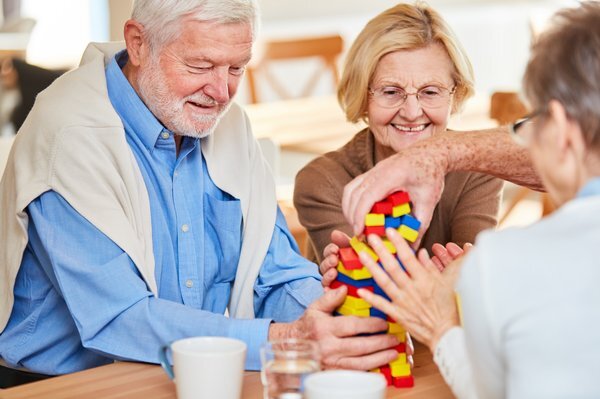
Senior living communities can provide consistent opportunities for connection that help strengthen social interactions and brain health. Shared dining, casual conversations with neighbors, and group programs naturally encourage engagement throughout the day.
For many older adults, these everyday interactions help maintain the social connection and brain health benefits that support cognitive well-being. Community living can also make participation easier by removing barriers such as transportation challenges or limited mobility.
At many Discovery Senior Living communities, residents can enjoy a variety of programs designed to support both physical and cognitive wellness. These opportunities often include:
- Group fitness classes that combine movement and conversation
- Creative workshops such as art, music, or writing
- Educational discussions that stimulate memory and problem-solving abilities
- Social events that help residents build meaningful friendships
These shared experiences reinforce the heart-brain connection by combining emotional support, mental stimulation, and daily engagement.
Everyday Programs That Strengthen Cognitive Health
Beyond casual interaction, structured programs can provide additional cognitive benefits. Group exercise classes combine physical movement with social engagement, supporting circulation and brain function at the same time.
Creative programs also play an important role. Activities like art workshops, music programs, or storytelling groups encourage participants to draw on memory, planning skills, and imagination while connecting with others who share similar interests.
Programs that support social activity and brain health often include:
- Discussion groups centered on books, current events, or shared interests
- Creative arts programs that encourage self-expression
- Volunteer opportunities that foster purpose and connection
- Technology workshops that help residents stay connected with family
Each of these opportunities supports brain resilience by encouraging curiosity, learning, and meaningful relationships.
Supporting the Heart-Brain Connection in Daily Life
Creating environments that support both emotional and cognitive wellness requires thoughtful design. Welcoming gathering spaces encourage spontaneous conversations and friendships. Shared dining experiences promote regular connection. Diverse programming helps ensure that residents can find opportunities that match their interests and comfort levels.
Community team members also play an important role in recognizing when someone may be withdrawing and gently encouraging participation in programs that feel meaningful to them. When individuals feel supported in staying socially connected, they are more likely to maintain routines that benefit both emotional wellness and cognitive function.
Over time, these daily moments of connection reinforce the powerful heart-brain connection. By nurturing relationships, staying socially engaged, and participating in enriching programs, older adults can help strengthen brain resilience and support lifelong cognitive health.
Never miss an episode. Subscribe to The Disappearing Mind Podcast to continue exploring topics that help families better understand dementia, brain health, and the journey of cognitive change.