The human brain has a remarkable ability to adapt, grow, and form new connections throughout life. This process, known as neuroplasticity, offers practical ways to support cognitive vitality as we age.
Learning how to improve neuroplasticity through everyday habits can help older adults and families make informed choices that strengthen senior brain health. Research continues to show that the brain can change and adapt well into later years. That means it is never too late to adopt routines that support brain health for seniors and encourage lifelong learning.
Understanding Neuroplasticity and Brain Health for Seniors
Neuroplasticity describes the brain’s ability to reorganize itself by forming new neural connections. This flexibility allows the brain to adapt to new experiences, adjust to challenges, and respond to learning opportunities. For older adults, this adaptability plays an important role in maintaining independence, engagement, and quality of life.
Each time we try a new program, develop a skill, or challenge our thinking, the brain strengthens or creates new pathways. This relationship between neuroplasticity and brain health also plays a role in conversations about preventing dementia and enhancing brain health.
While aging can affect memory and processing speed, research shows the brain retains the ability to adapt and grow. That insight has reshaped how we approach senior brain health. Instead of assuming cognitive decline is unavoidable, many older adults now focus on habits and programs that help improve neuroplasticity and maintain mental clarity.
Senior living communities such as those operated by Discovery Senior Living often support this goal by offering structured wellness programs, lifelong learning opportunities, and enriching experiences designed to keep residents mentally and socially engaged.
Physical Exercise: A Foundation for Cognitive Vitality
Regular physical programs are one of the most effective ways to support neuroplasticity and brain health. Movement increases blood flow to the brain, delivering oxygen and nutrients while helping remove waste products. Exercise also encourages the release of growth factors that support existing brain cells and stimulate the creation of new ones.
Programs that provide brain-supporting benefits without requiring intense exertion include:
- Walking or brisk outdoor strolls
- Swimming or water aerobics
- Tai chi for balance and coordination
- Gentle yoga or stretching programs
Beyond physical benefits, these programs can strengthen memory, improve processing speed, and support decision-making skills. In many Discovery Senior Living communities, residents can participate in group fitness classes, walking groups, and wellness-focused programs that combine physical movement with social connection. This combination helps reinforce neuroplasticity and brain health while also supporting emotional well-being.
Mental Stimulation Through Learning and Creative Pursuits
Keeping the brain engaged with new information is another powerful way to improve neuroplasticity. Activities that require focus, creativity, and problem-solving encourage the brain to develop new pathways.
Programs that stimulate cognitive growth often include:
- Learning a musical instrument
- Studying a new language
- Painting, drawing, or other creative arts
- Educational workshops and discussion groups
- Exploring new technology or digital tools
Many Discovery Senior Living communities incorporate lifelong learning and enrichment programs into daily life. These programs encourage curiosity, creativity, and meaningful participation, all of which support long-term brain health for seniors.
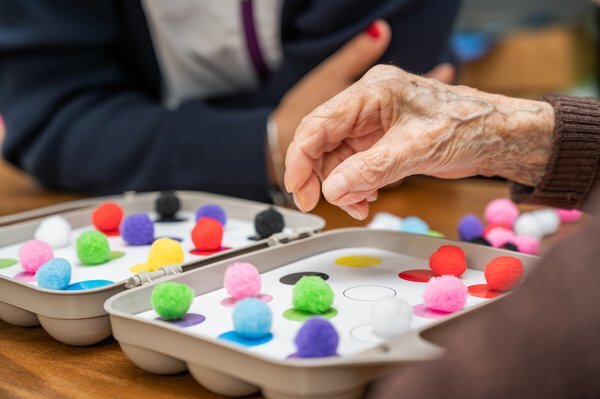
In addition to creative pursuits, cognitive rehabilitation techniques can also support mental engagement. Puzzles, strategy games, reading comprehension exercises, and memory challenges encourage the brain to stay active. Rotating between different types of mental challenges helps engage multiple cognitive areas and prevents routines from becoming too predictable.
Nutrition's Impact on Brain Function and Neural Adaptation
Nutrition plays an important role in maintaining neuroplasticity and brain health. Foods rich in antioxidants, healthy fats, and anti-inflammatory compounds support the cellular processes that help the brain function effectively.
Brain-supporting foods often include:
- Fish rich in omega-3 fatty acids
- Leafy greens such as spinach and kale
- Berries packed with antioxidants
- Nuts and seeds for healthy fats
- Whole grains that provide steady energy
Hydration is also essential. Even mild dehydration can affect concentration and mental performance. Many senior living communities support brain health for seniors by offering balanced dining programs with nutrient-rich options that support cognitive wellness.
Some Discovery communities also integrate thoughtful dining experiences and wellness-focused nutrition programs designed to support overall well-being, including brain health.
Social Connection and Emotional Well-Being
Meaningful relationships play an important role in neuroplasticity and brain health. Conversations, shared programs, and emotional connections stimulate several parts of the brain at once. These interactions help strengthen neural networks and support long-term cognitive wellness.
Regular engagement may include:
- Community events and social gatherings
- Small-group discussion programs
- Volunteer opportunities
- Family visits and shared experiences
Discovery Senior Living communities emphasize social connection, purpose-driven programming, and relationship building. These experiences create daily opportunities for residents to stay mentally active while strengthening emotional well-being.
For residents living with dementia, Discovery communities may offer specialized approaches such as SHINE® Memory Care, a science-informed program recognized by the Alzheimer’s Association®. This approach focuses on personalized engagement, meaningful routines, and environments designed to support cognitive stimulation and dignity for residents living with dementia.
Managing stress, maintaining a sense of purpose, and nurturing positive relationships all help create an environment where the brain can thrive. When older adults combine physical programs, learning opportunities, nutritious meals, and social engagement, they strengthen the foundation for lifelong brain health.
Continue Learning With the Disappearing Mind Podcast
Understanding dementia and cognitive change can feel overwhelming. The Disappearing Mind Podcast helps families and caregivers navigate the journey with clarity and compassion.
Each episode explores one of the four stages of dementia, offering guidance on key moments families may encounter along the way. Through expert insights, thoughtful conversations, and practical advice, the podcast helps listeners feel more informed, more prepared, and less alone.
Never miss an episode. Subscribe to The Disappearing Mind Podcast and continue learning about preventing dementia and enhancing brain health while supporting those you love.